Things to do
Planten un Blomen: free, central, underused
A large free park on the edge of the centre with gardens, water and a summer evening light show. What it is good for, and the hour that makes it worth a detour.
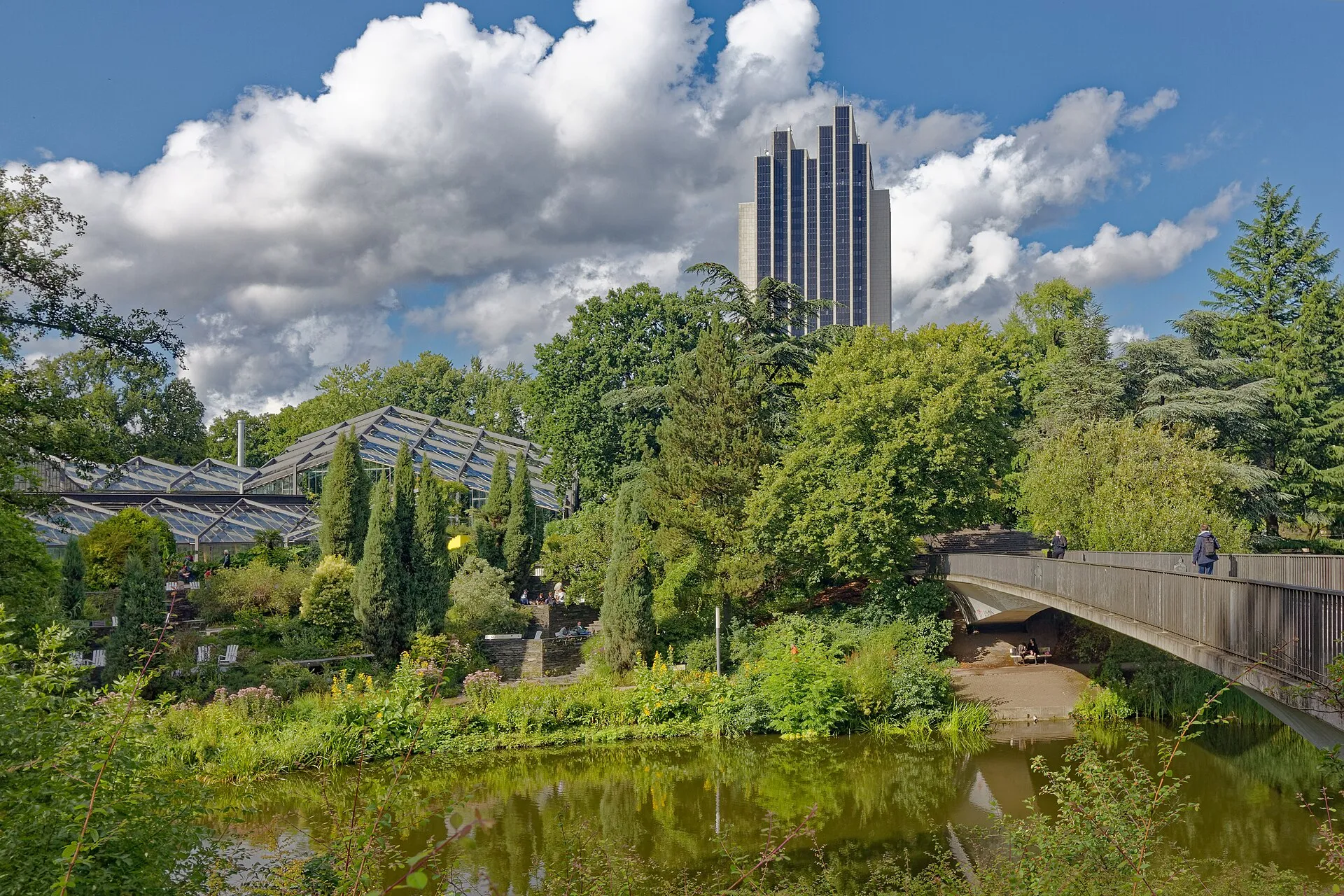
A large park along the edge of the centre, free, open to anyone, and used considerably more by residents than by visitors. Formal gardens, greenhouses, a Japanese garden, water, and a great deal of grass.
It is the single most useful thing in this city for a visitor who has had enough of walking around looking at buildings.
What is there
The park is long rather than square, running along the line of the old fortifications, which is why it turns up unexpectedly when you are walking between the centre and the western districts.
Inside it: formal planting that changes with the season, a Japanese garden with a teahouse and a pond, tropical greenhouses, an area of water features, generous lawns, and playgrounds that are better than most cities put in a central park.
In the warm months there is an evening display of water, light and music on the lake, which is the thing that draws an actual crowd and is genuinely worth staying out for.
None of it costs anything to walk into.
Who it is for
Families, first and most obviously. Playgrounds, space, water and no admission, ten minutes from the middle of town. On a trip with children this park is worth more than any attraction on the same day.
Anyone staying centrally who needs an hour of green. The central districts are short of it, and this is the answer.
Visitors in good weather with an evening free, for the water display.
People walking between the centre and the west, since the park sits on that route and turns a dull walk into a pleasant one.
The hour that matters
In summer, the evening. The water and light display runs after dark, which in this city in June means late, and the lawn around the lake fills with people sitting on the grass beforehand.
Timings shift with the season and belong to the city rather than to us, so check their own information before planning an evening around it. Arrive with a margin: the good spots on the bank go early and the display does not wait.
Outside the warm season, the middle of the day. Northern light in winter is short, the greenhouses are the reason to come, and an afternoon walk here is pleasant rather than remarkable.
What it is not
A destination in the way the harbour or the warehouse quarter are. Nobody should plan a trip around this park, and a visitor with one day should spend it on the water instead.
It is also not a wilderness. This is a designed, maintained, urban park in a prosperous city, and it looks like one. Anyone hoping for something wild should head west to the river or north to the lake.
Combining it with the rest of a day
The park works best as a break rather than an event.
Morning in the centre, an hour here at midday, then west into the livelier quarters. Or the reverse: a museum in the afternoon and the park in the early evening before dinner.
With children, it is the recovery slot after something indoors, and building it into the day deliberately prevents the late-afternoon collapse that ruins family trips. The families guide covers that pattern in more detail.
What it is like in each season
The grounds change more across the year than most visitors expect, and knowing which version you are getting prevents a certain amount of disappointment.
Late spring and summer are what the pictures show: everything in flower, the lawns in use, and the evening water display running when the light goes. This is the season the place was designed for, and an hour here at dusk is among the better free things available in the city.
Autumn is quieter and arguably nicer to walk in. Fewer people, colour in the trees, and the greenhouses come into their own on a cold bright afternoon.
Winter strips it back to structure — paths, water and bare branches — which is pleasant for twenty minutes and not worth crossing town for. In December the adjacent city-centre attractions have a far stronger claim on the same hour, and the Christmas market guide covers what replaces this on a cold evening.
Going with small children
One of the easier outings in the city for anyone travelling with a young child, and worth a short note on why.
The ground is flat and the paths are wide, so a pushchair is no obstacle anywhere. There is space to let a child run without anyone minding, which after two days of museums and trains is worth more than another attraction. And it costs nothing, which removes the pressure to extract value from a visit that lasts as long as the child’s patience does.
The practical caution is facilities. Check what is open before relying on it, particularly outside the summer months, when parts of the site keep shorter hours than the grounds themselves.
Where to stay nearby
Neustadt borders the park, which is one of the quieter advantages of staying in an otherwise commercial district: green space within a few minutes.
Sternschanze and Eimsbüttel sit at the northern end, so the park becomes a morning walk rather than a trip.
St. Pauli is close on the western side, and the park is the obvious antidote to a night in that district.
What we are not telling you
No opening hours, no display times, no greenhouse admission arrangements and no figures about the size of the park.
Times change seasonally and are published by the city, which maintains them. This page is for deciding whether to go and when it is at its best, which does not change from year to year. See how we rank for why the line sits there.
The short version
Go if you are staying centrally and need an hour of grass, and go with children whenever the day starts to fall apart. In summer, come back in the evening for the water display and arrive early enough to sit down. It costs nothing, which makes it the best-value hour available in the middle of this city.
No times, no ticket prices
Opening hours, ticket prices and tour durations belong to the venue and the operator, and they change. This page describes what the place is and who it suits, then leaves the numbers where they are kept current. Check the official site on your dates, and see how we rank for the reasoning.
Last reviewed . Editorial analysis and reference information. We have not visited on your behalf, and nothing here is a review.
Common questions
- Is Planten un Blomen free?
- The park itself costs nothing and is open to anyone. Some facilities inside it, and the tropical greenhouses, may have their own arrangements and hours. Check the city information for current details, since we publish no opening times.
- What is there to see at Planten un Blomen?
- Formal gardens, a Japanese garden with a teahouse, greenhouses, water features, large lawns and playgrounds. In summer there are evening water and light displays on the lake, which are the thing most visitors come for.
- Is Planten un Blomen good for children?
- Very. There are substantial playgrounds, open lawns, water to look at and space to run, all within walking distance of the centre. For a family staying centrally it is the most useful hour in the city when everyone has had enough of museums.
- How long do you need at Planten un Blomen?
- An hour covers the main gardens at a walking pace. Two or three is easy in good weather, particularly with children. In the evening in summer, the water display sets the timing rather than you, so arrive with a margin.