New-build waterfront quarter on the Elbe, wide and orderly, with the concert hall at the end of the promenade. Calm after dark, which suits some trips and disappoints others.
- Noise
- Quiet after dark
- Best for
- first visitscouplesarchitecture
Where to stay
Three terminals, in three different parts of the city, and the wrong assumption costs you a taxi at dawn. Which district serves which berth, and what to check.
This page exists because of one mistake that visitors make constantly, and it is expensive when it happens.
Hamburg does not have a cruise terminal. It has several, in different parts of the city, on both sides of the water, and they are far enough apart that a hotel chosen for the wrong one turns a short walk into a taxi at dawn.
Your ticket or booking confirmation names the berth. Find it now, before you compare a single room.
Passengers routinely search for a hotel near the cruise terminal, book something that sounds close to the water, and discover at six in the morning on sailing day that their terminal is several kilometres from the one their hotel is near. The taxi is not the problem. The forty minutes of stress with luggage at dawn is.
Broadly, they sit in three areas: the newer waterfront quarter, the western districts along the river, and the stretch near the landing stages. Each is served by a different set of accommodation, and the districts on this page are ordered accordingly.
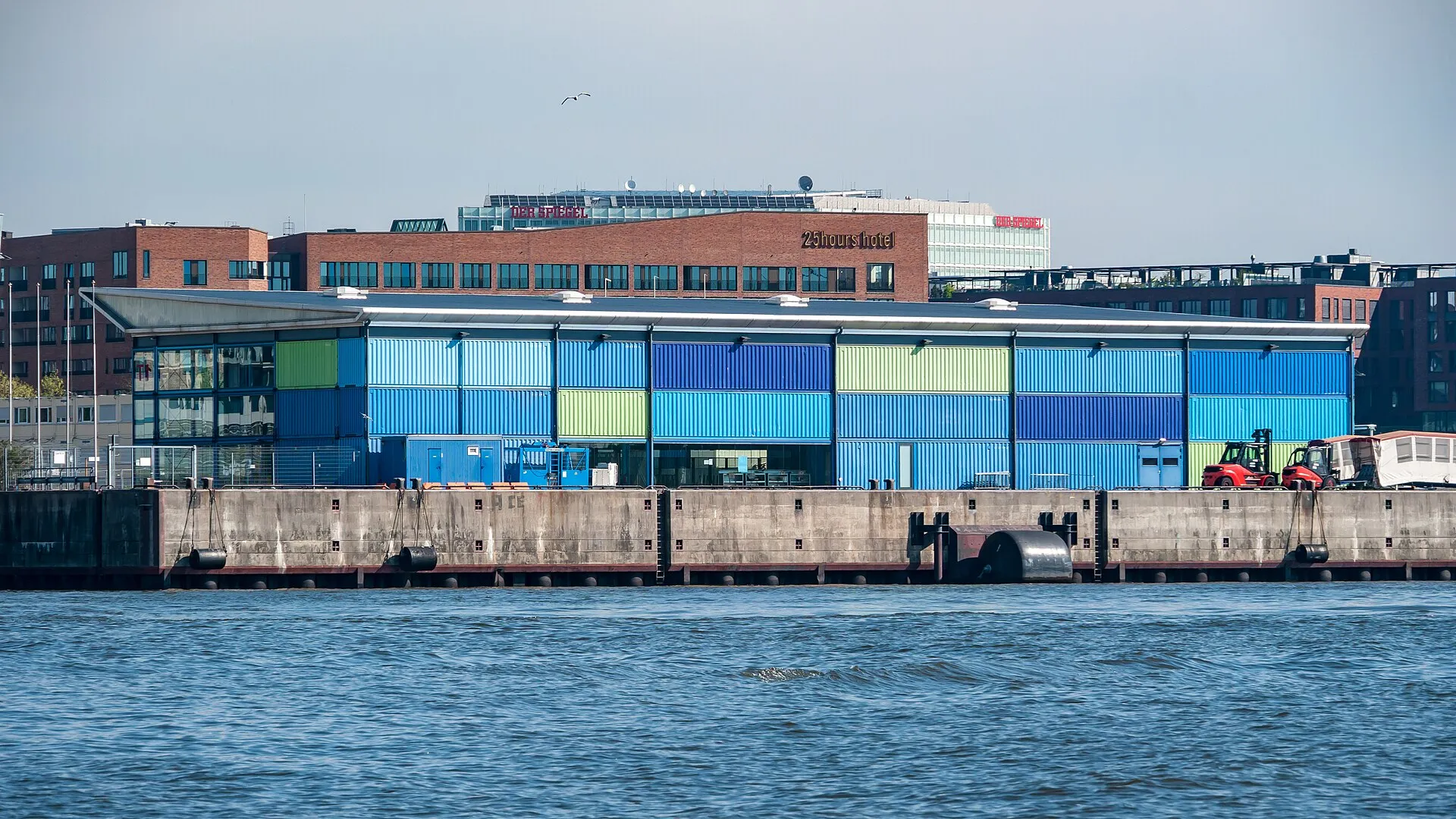
HafenCity serves the terminal in the newer waterfront quarter. It is the calmest of the three, it is modern, and the promenade walk on the evening before sailing is genuinely one of the better things in this city. The weakness is the standing one: restaurants are scattered, few open late, and a Sunday arrival without a booking means walking further than you planned.
Altona and the western districts serve the terminal further downriver. This is the practical, residential answer: more space, better value, ordinary shops for the things you forgot to pack, and a long-distance station if you are arriving by train. It is also the least touristic of the three.
St. Pauli sits above the landing stages, which puts it within reach of the central berths and gives you the liveliest evening of the three. Everything on that district’s page about weekend noise applies, and it applies with force on the night before an early sailing. Ask for a courtyard room.
Two recommendations, both of which cruise passengers ignore and then regret.
Arrive the day before, at least. If you are flying in, a same-day arrival makes the entire holiday dependent on one flight running on time. A delay costs you the sailing, not a night in a hotel. The insurance case for an extra night is overwhelming and the practical one is nearly as strong.
Give yourself an evening. Most cruise passengers see this city as a taxi ride between an airport and a berth, which is a shame given what is within walking distance of all three terminal areas. The two-day plan compresses well into a single afternoon and evening: the warehouse quarter in the last hour of daylight, and dinner in whichever district you chose.
Embarkation days fill the waterfront hotels. Several thousand people need a room in the same districts on the same nights, which behaves like a small version of the event weeks described in why rooms cost triple. Book early for those dates specifically.
Sailing days are also the busiest days on the promenades, which is worth knowing if your plan was a quiet waterfront walk. Several thousand people are doing the same thing.
Luggage matters more than usual. Check whether the property will hold bags before check-in and after check-out, because a cruise schedule rarely matches a hotel one. Most will; asking beforehand costs nothing.
No terminal addresses, no transfer times, no shuttle schedules and no port fares.
Berths change between seasons and between operators, shuttles are run by the cruise lines rather than by the city, and a page that named a terminal for your ship would be guessing. Your operator publishes the berth and the arrangements, and they are the only source that will be right on your date.
What this page can tell you is which part of the city each berth belongs to, and what staying there is actually like — and that does not change from season to season.
One week is the exception: the harbour festival fills the waterfront and every room behind it, and a cruise arriving into that week is a different trip entirely.
Measured on the real pedestrian network from the middle of each district, not in a straight line, which around here would lie to you: the Elbe and the canals decide most of these walks.
Beyond a 45-minute walk, and therefore a train question rather than a walking one: Eimsbüttel, Uhlenhorst, Eppendorf, Winterhude, Barmbek.
New-build waterfront quarter on the Elbe, wide and orderly, with the concert hall at the end of the promenade. Calm after dark, which suits some trips and disappoints others.
A working district west of the centre with its own long-distance station, its own high street and a park above the river. The obvious answer for a stay measured in weeks rather than nights.
The district that gave Hamburg its reputation, wrapped around the Reeperbahn and the landing stages. Loud at weekends, well connected, and cheaper than its neighbours for what you get.
Distances and journey times belong to the operator and to your own map application, and we do not estimate them from memory. This page tells you which districts serve this address and what each one costs you in return. See how we rank for the standard.
Last reviewed . Editorial analysis, not a first-hand account. No property is named and no price appears anywhere on this site.