Booking for an event is a different exercise from booking for a city break, and
it turns on one thing: the journey back, at the hour when everybody else is
making it too.
Two very different situations exist here, and travellers conflate them.
Two kinds of venue, two answers
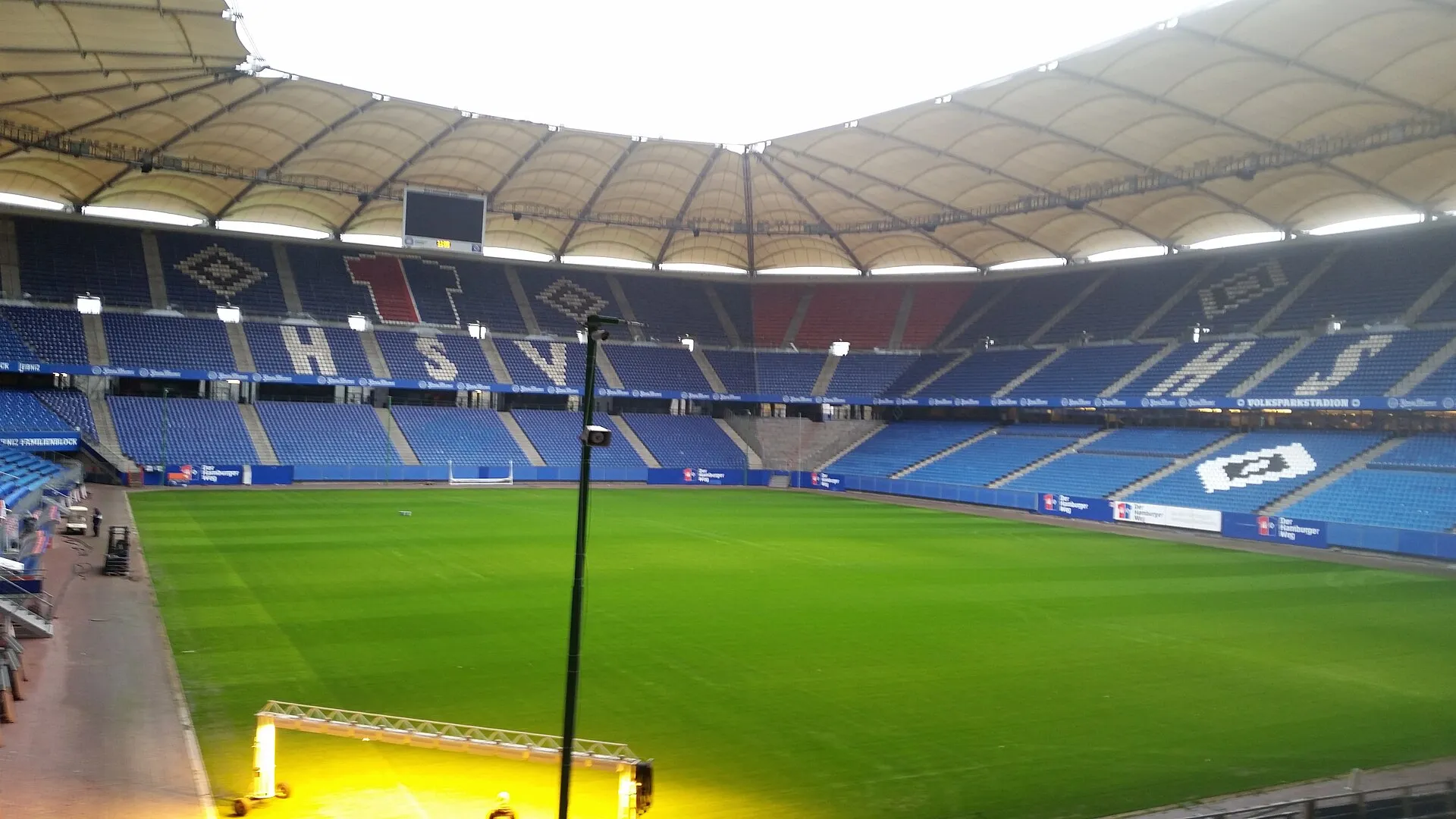
The large venues sit west of the centre. The main football stadium and the
indoor arena share a corner of the city out that way, well connected but
genuinely not central. Anyone booking a room in the old town for a concert there
has chosen the wrong side of town and will discover it at eleven at night.
The small football ground sits in the middle of the nightlife district. It is
a short walk from the strip, which makes it the most convenient ground in
Germany to reach and the least restful to sleep beside.
Football in St. Pauli covers the
experience itself; the accommodation question there is really a noise question,
and the Reeperbahn page answers it.
The rest of this page is about the first case.
The districts that work for the big venues
Altona is the practical base. It sits on the right side of
the city, has its own long-distance station, and is connected in the direction
you actually need to travel. Prices run below the centre. For anyone whose trip
is built around an event out west, this is usually the answer.
Ottensen is next door and better for the rest of the
evening: independent kitchens, an ordinary neighbourhood, nothing aimed at
visitors. Slightly less transport depth than its neighbour, and worth it if you
plan to eat before rather than after.
Eimsbüttel covers the northern approach. Quiet,
residential, priced sensibly, and closer to the venues than the centre is. Very
few visitors consider it, which is precisely why it still has rooms.
The centre remains defensible if the event is one evening in a longer trip. It is
better for everything except the ninety minutes after the final whistle.
What actually happens on the way home
Several thousand people leave one place at one moment and travel in one
direction. Every large venue in Europe works this way, and no amount of planning
changes it.
What planning does change is your exposure. Three habits help.
Walk the first stretch. Clearing the immediate crush on foot and joining the
network a stop later is often faster than queueing for the nearest platform, and
considerably more pleasant.
Offset by fifteen minutes. A drink after the event, or simply leaving before
the encore, removes most of the crowd from your journey. Whether the encore is
worth more than the crowd is your call.
Check the last connection before you go out, not afterwards. The
transport guide explains how the network thins
overnight. A room on the correct side of the city makes the question irrelevant,
which is the whole argument for booking west.
Match days change the city, briefly
On a big date the network is loaded in one direction, bars near the ground fill
early, and the districts around the venue are wearing colours.
None of that is a problem, and some of it is the reason to come. It does mean two
things for a visitor who is not attending: eating near the ground before kick-off
requires a booking, and a hotel in those streets will be livelier than the
listing implied.
If your dates collide with a fixture and you have no interest in it, the
eating guide points you at the quarters that
carry on as normal.
Booking notes
Confirm the venue before the district. The two large arenas and the small ground
are nowhere near each other, and a ticket says which one it is.
Prefer a flexible rate when the date is not final. Fixtures move for television,
and a non-refundable room on a date that shifted by a day is an expensive lesson.
Check the exhibition calendar as well. A trade fair and a large concert in the
same week tightens the whole city, as
the piece on price spikes sets out.
And read your ticket for what it includes. Event tickets in Germany frequently
carry local transport for the day, which changes the arithmetic on how much
proximity is worth paying for.
What this page does not contain
No kick-off times, no capacities, no ticket prices, no line numbers. Those belong
to the clubs, the venues and the transport operator, and they are the only
sources that will be current on your date.
Walking times are absent for the reason they are absent throughout this guide:
they get published once measured, not estimated.
Three related pages: arriving by car if you are
driving to the venue, groups if there are more than four of
you, and a match at Millerntor for the
small ground in the middle of town.