The district that gave Hamburg its reputation, wrapped around the Reeperbahn and the landing stages. Loud at weekends, well connected, and cheaper than its neighbours for what you get.
- Noise
- Loud at weekends
- Best for
- nightlifemusicyounger travellers
Where to stay
Sleeping on the strip is a different decision from visiting it. Which streets stay loud until daylight, which are calm, and who should book elsewhere.
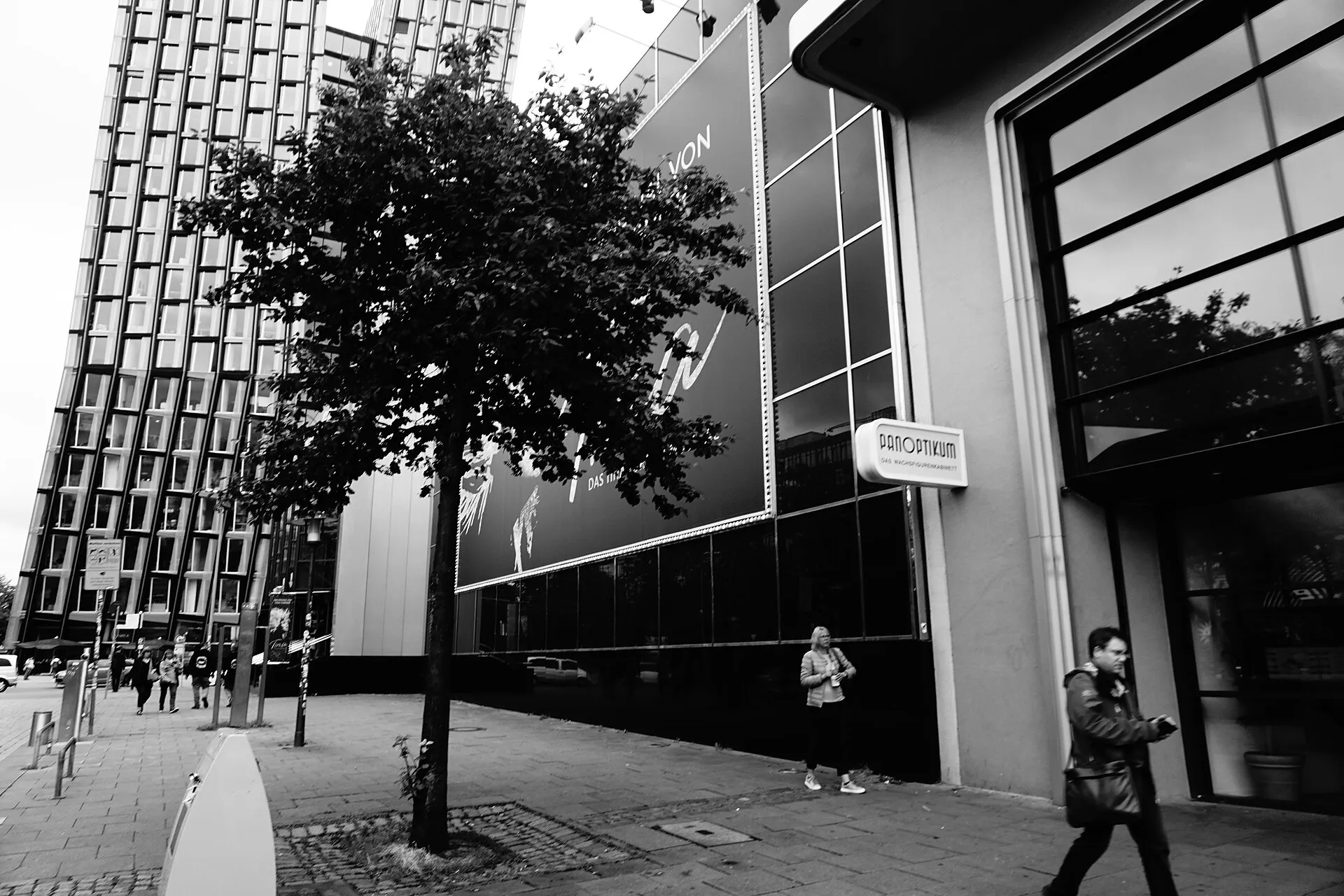
Visiting the strip and sleeping on it are two separate decisions, and travellers routinely make the second one by accident. This page separates them.
The district exists to entertain people at night. That is not a criticism; it is the thing it does better than anywhere else in northern Germany. It also means the qualities that make it a good evening make it a difficult night.
Anyone with a ticket. Concerts, clubs and the theatres along the strip finish at hours when the network has thinned. Walking home in five minutes, instead of checking a timetable in the cold, is worth real money on that specific night.
Groups. The district has both the room supply and the tolerance. A party of six looking for four rooms in one building will find them here when the small quarters have nothing at all.
Late bookers. Stock is deep across every price band, including a substantial hostel sector. When the rest of the city has run out, this district usually has not.
Anyone who wants food after midnight, which is genuinely available here and almost nowhere else in the city.
Sleep, mostly, and the amount depends entirely on the address.
On and immediately around the strip, weekend nights are loud until daylight. Not traffic hum: voices, on the pavement, under the window. Sunday to Wednesday is a different city, and travellers who visit midweek often wonder what the fuss was about.
You also give up a pleasant morning. The district at nine on a Saturday is being cleaned, and it looks it. That matters more than people expect on a short trip, because it is the view you get for half your waking hours there.
The single most useful fact about this district is that the noise falls off faster than the distance suggests.
Two or three streets north, the entertainment frontage simply stops and an ordinary residential quarter begins. The walk back from a club is still five minutes. The night is a completely different one. That trade — keeping the convenience, dropping the volume — is the best booking in this part of town and it is available at lower rates, because the address sounds less exciting on a listing.
The St. Pauli page maps this properly. The short version: the pin on the map decides your stay, not the district name.
Which way does the room face? A courtyard aspect is worth paying for here in a way it is not in most of the city. Ask, and get the answer in writing rather than in a hopeful phone call.
What floor? Height helps, but only above the second or third. A first-floor room over a bar is the worst combination available.
Is there a bar or club in the building? Some properties on the strip share a wall with one, and a listing has no obligation to mention it.
This district has a reputation, and most of it is theatre.
The realistic risks are pickpocketing in a crowd, aggressive touting outside certain doorways, and drinks priced to punish a visitor who did not ask first. None of that is dangerous; all of it is annoying, and all of it is avoidable. The safety guide sets out the specific patterns that catch people here.
What genuinely helps: keep your phone out of a back pocket, decline invitations into premises you did not choose, and agree a price before anything arrives at the table. Do those three and the district is no more troublesome than any other busy European nightlife quarter.
Families: somewhere else, in nearly every case. The families guide covers the districts that work.
Light sleepers who still want to be near it: the north edge of the district, or Sternschanze — livelier than restful, but the noise is conversation rather than a crowd, and it ends earlier.
Anyone here to eat: the Schanze again, or Ottensen further west, where the food is better and the prices are not aimed at visitors.
Anyone with an early train: the main station, and accept that the evening will involve a journey.
No venue names, no door policies, no cover charges, no opening hours. Those change constantly and belong to the places themselves.
We also publish no walking times until they have been measured rather than estimated, so check your own route between the room and the venue before you decide that five minutes is close enough.
Three pages next to this one: hostels, which this district has more of than anywhere else; the fish market, which is where a long night traditionally ends; and St. Pauli against Sternschanze, if you are still choosing between the two lively quarters.
Measured on the real pedestrian network from the middle of each district, not in a straight line, which around here would lie to you: the Elbe and the canals decide most of these walks.
Beyond a 45-minute walk, and therefore a train question rather than a walking one: HafenCity, Eppendorf, Uhlenhorst, Winterhude, Barmbek.
The district that gave Hamburg its reputation, wrapped around the Reeperbahn and the landing stages. Loud at weekends, well connected, and cheaper than its neighbours for what you get.
A compact quarter of independent shops, street food and late bars, north of the nightlife strip. Small hotel supply, so it books out early and rewards planning.
A working district west of the centre with its own long-distance station, its own high street and a park above the river. The obvious answer for a stay measured in weeks rather than nights.
Distances and journey times belong to the operator and to your own map application, and we do not estimate them from memory. This page tells you which districts serve this address and what each one costs you in return. See how we rank for the standard.
Last reviewed . Editorial analysis, not a first-hand account. No property is named and no price appears anywhere on this site.